
Bhutan Hidden Valley Tours is a licensed tour operator in Bhutan, dedicated to creating authentic, personalized, and unforgettable travel experiences. We specialize in cultural tours, trekking adventures, and tailor-made journeys designed to showcase the true essence of Bhutan.
 (+975) 17978825
 hiddenvalleybhutan@gmail.com

Thimphu, Bhutan




Nestled deep in the Eastern Himalayas between India and China (Tibet), Bhutan is a land of extraordinary beauty and cultural depth. Roughly the size of Switzerland yet home to fewer than 800,000 people, this sparsely populated kingdom has long been compared to the mythical Shangri-La. Towering mountains, dense forests, striking architecture, and remarkably clean air create an atmosphere that feels both timeless and deeply serene.
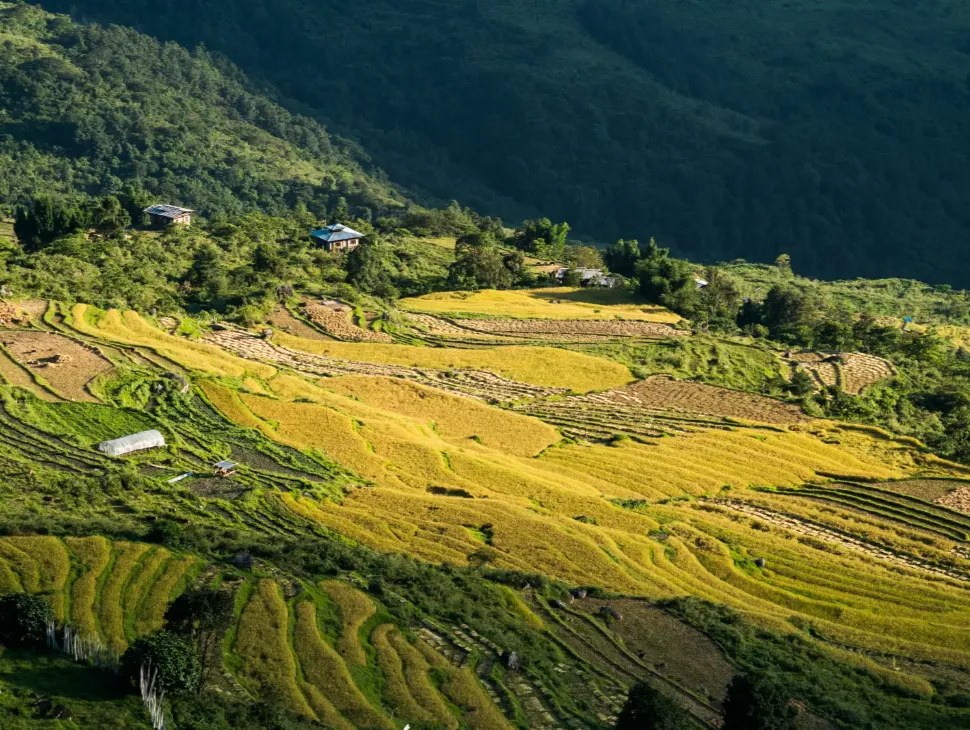
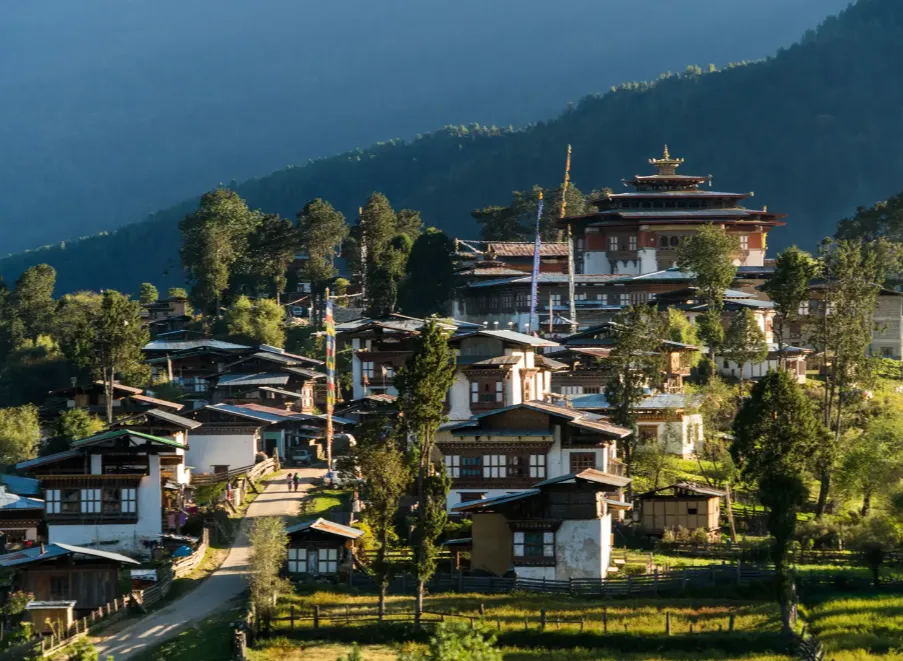
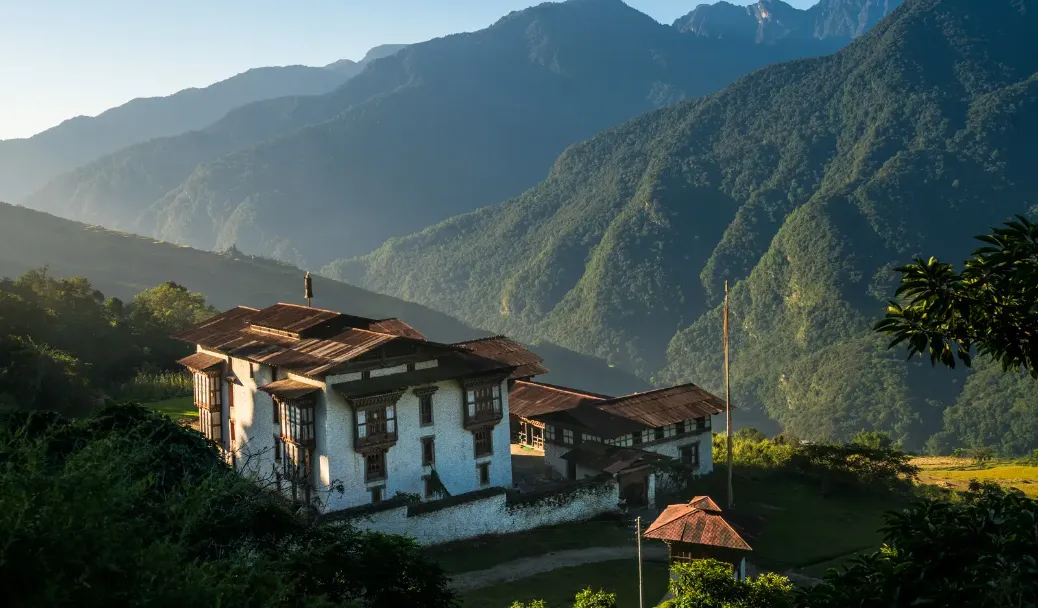
Bhutan remains a predominantly rural country, with around 80 percent of the population engaged in agriculture or livestock farming. For visitors from highly industrialized nations, the landscape can feel almost dreamlike: traditional houses with brightly painted window frames and shingled roofs, emerald-green rice paddies, fields of golden buckwheat, oak forests, covered bridges, and everyday scenes of rural life — farmers harvesting crops, women weaving in the open air, and yaks grazing among giant rhododendrons.
Archaeological evidence suggests that Bhutan may have been inhabited as early as 2000 BC. Buddhism is believed to have reached the region in the 2nd century, though Bhutanese tradition attributes its establishment to the 8th-century arrival of Guru Rinpoche (Padmasambhava), one of the country's most revered figures and often regarded as the second Buddha.
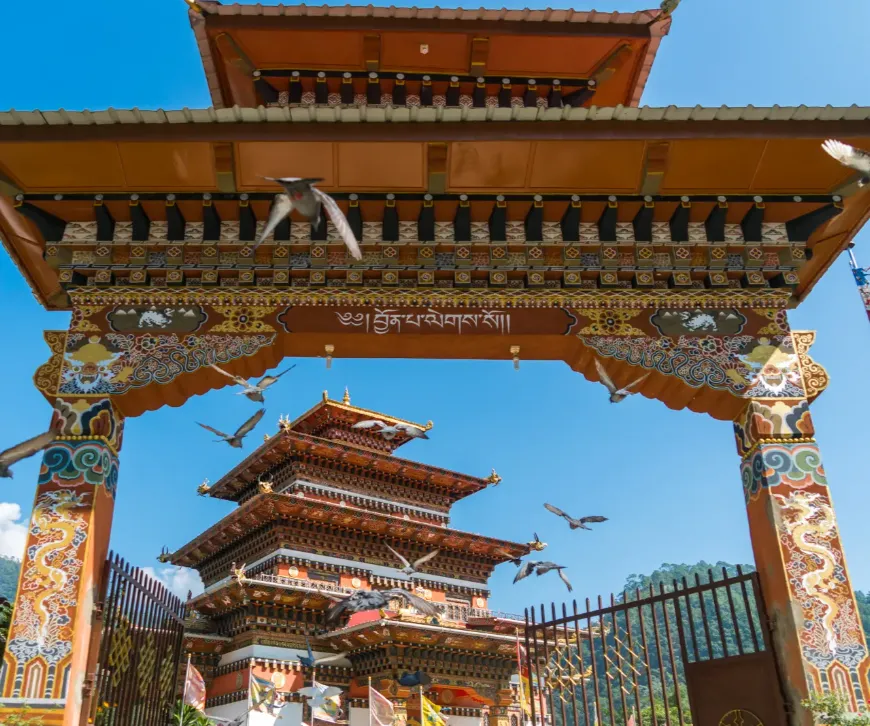
Bhutan has been a monarchy since 1907, when the country's districts were unified under the leadership of the Trongsa Penlop. A major period of political transformation began under the fourth king, Jigme Singye Wangchuck, who initiated constitutional reforms and announced his abdication in favor of his eldest son. On December 14, 2006, the crown prince ascended the throne, paving the way for Bhutan's transition to a constitutional monarchy, with parliamentary elections held in 2008.
Gross National Happiness (GNH) was first introduced in the coronation speech of the Fourth King, His Majesty Jigme Singye Wangchuck, in 1974, who is regarded as the true founder of this concept. According to GNH, development and progress are not measured solely by Gross Domestic Product (GDP), but by the level of happiness and well-being experienced by the people of a nation.
Today, GNH serves as the primary development philosophy guiding government policies and national planning. It is based on four key pillars: (1) cultural preservation, (2) environmental conservation, (3) balanced and sustainable economic development, and (4) good governance. All development strategies and policy frameworks are aligned with these pillars, ensuring that progress remains consistent with the long-term vision of GNH.